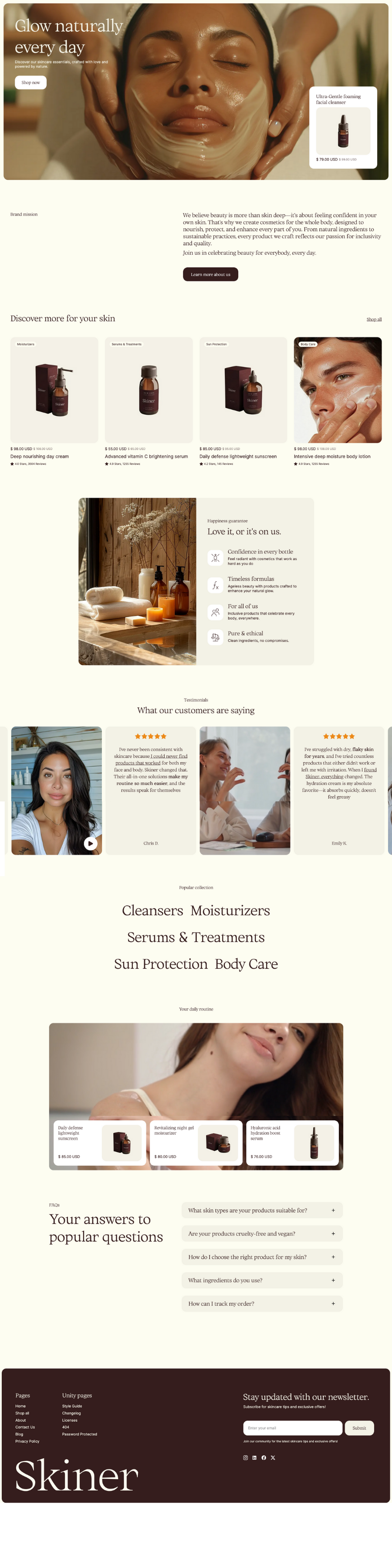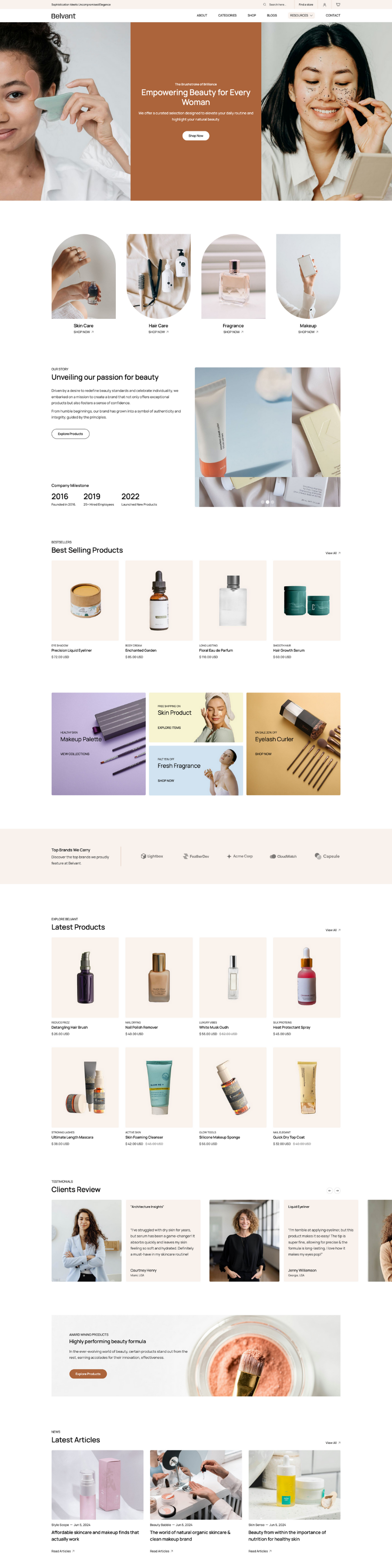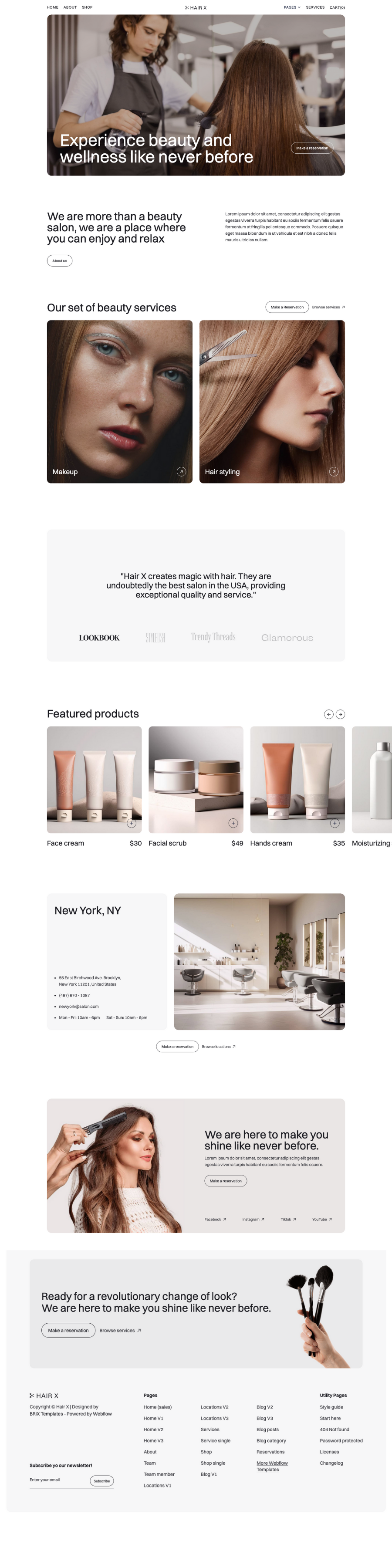
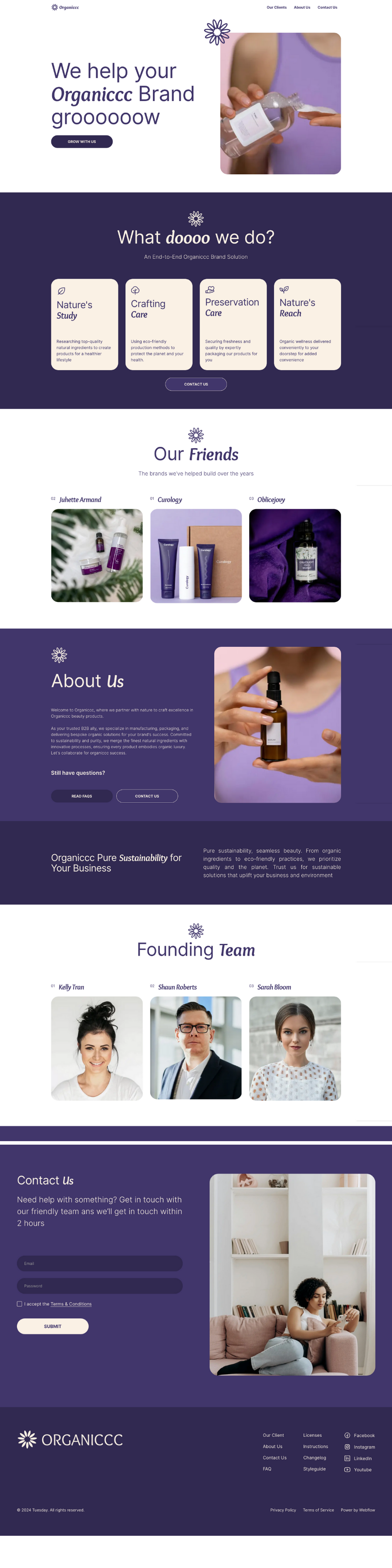
Organic Beauty Website Design for Melbourne Brands
Connect with conscious Melbourne consumers through an organic beauty e-commerce website that emphasises natural ingredients and sustainability.
Customer wants clean, organic beauty products. She's reading labels, researching brands. Finds yours on Instagram. Claims look good. She visits your website. No certification logos. Ingredient sourcing vague. "Organic" claim not backed up. She doesn't trust it and buys from a certified competitor instead.
Organic beauty customers are sceptical. If you can't prove your claims, they won't buy.
Why organic beauty brands lose customer trust
"Organic" and "natural" are overused marketing terms. Customers have been greenwashed before. They want proof — certifications, ingredient sourcing, transparency. If your website doesn't back up your claims, they'll assume you're just another brand faking it.
Common organic beauty website problems:
- No certifications shown — organic certified? Vegan certified? Cruelty-free certified? Show logos.
- Ingredient sourcing unclear — where do ingredients come from? Are they actually organic?
- Claims not backed up — "100% natural" but no proof or explanation
- Packaging sustainability vague — recyclable? Biodegradable? Refillable?
- No education on why organic matters — why is organic better? What's the benefit?
- Third-party verification missing — no independent testing or certification bodies mentioned
Successful organic beauty brands lead with transparency. Certifications front and centre. Full ingredient sourcing disclosed. Packaging sustainability detailed. Educational content explaining benefits.
What an organic beauty brand website needs
Certifications prominently displayed. Certified organic (ACO, USDA, COSMOS)? Vegan certified? Cruelty-free (Choose Cruelty Free, Leaping Bunny)? B Corp? Show logos on every relevant page. Certifications build trust instantly.
Full ingredient sourcing transparency. Where do ingredients come from? Organic farms in Australia? Fair-trade suppliers? Wildcrafted? Sustainably harvested? Name suppliers if possible. Transparency differentiates you.
Clear explanation of organic standards. What does "organic" mean for your products? What percentage is organic? What certifications do you hold? Customers want specifics, not vague claims.
Packaging and sustainability details. Packaging materials (glass, recycled plastic, aluminium)? Recyclable? Biodegradable? Refillable options? Carbon-neutral shipping? Every detail counts for eco-conscious customers.
Educational content on organic benefits. Why choose organic beauty? What's harmful in conventional products? Ingredient deep-dives. Myth-busting (e.g., "natural doesn't always mean safe"). Position yourself as an educator, not just a seller.
Third-party testing and verification. Independent lab testing? Dermatologist-tested? pH-balanced? Preservative system tested? Mention testing and verification to build credibility.
Brand mission and values story. Why did you start this brand? What's your commitment to organic and sustainability? Founder story. Make it personal and mission-driven. Organic beauty customers care about values alignment.
SEO for organic beauty brands
Organic beauty searches are values-driven. "Organic skincare Australia," "certified organic makeup," "clean beauty Melbourne," "natural beauty products," "sustainable beauty brands." Your site needs to rank for organic and clean beauty keywords.
Organic beauty brand SEO priorities:
- Certification-based content (certified organic, cruelty-free, vegan)
- Ingredient sourcing and transparency pages
- Blog content on organic benefits, ingredient education, sustainability
- Product pages optimised for "organic + product type" searches
- Structured data for certifications, ingredients, and sustainability claims
We built a site for a certified organic beauty brand in Melbourne. They now rank first page for "certified organic skincare Australia," "clean beauty Melbourne," and several ingredient-specific searches. Online sales tripled. Trust metrics (time on site, pages per visit) increased significantly.
How we build organic beauty brand websites
Organic beauty websites need transparency and education at the core. We use Shopify or Next.js depending on your needs.
What's included:
- E-commerce with certifications and sourcing info on every product page
- Certifications showcase (logos, descriptions, verification links)
- Ingredient sourcing and transparency pages
- Sustainability and packaging details
- Educational content (blog on organic benefits, ingredient glossary)
- Brand mission and values storytelling
- Third-party testing and verification highlighted
- Subscription options for repeat purchases
- Mobile-optimised design (most beauty shopping is mobile)
- SEO optimisation for organic and clean beauty keywords
Professional package ($6,995) includes e-commerce with certification showcases, sourcing transparency, educational content, and SEO.
Premium package ($9,995) adds professional product photography, content strategy for education and storytelling, supplier partnership highlights, and ongoing sustainability reporting.
If your organic beauty brand has genuine certifications and sustainable practices but customers still don't trust you, your website isn't proving your claims. Show certifications clearly. Disclose ingredient sourcing. Educate on organic benefits. Detail sustainability efforts. An organic beauty website that leads with transparency builds trust and drives sales.